
Descrição do produto
Gearbox Parts Speed Reducer 90 Degree Bearing Reduction washing Machine Small Transmission Diesel Marine Gearbox
What is Gearbox?
A gearbox is the heart of an electric gun (AEG). It is a complex system of gears, springs, and other components that work together to fire the gun. The gearbox is typically located inside the body of the gun, and it is usually made of metal.
The gearbox works by converting the energy from a battery into mechanical energy that is used to fire the gun. The battery powers a motor, which turns a gear train. The gear train is connected to the piston, which is a long, cylindrical piece of metal. The piston is pushed CHINAMFG by the gear train, and it compresses the air inside the gun. When the piston is released, it expands the air, which fires the BB out of the gun.
The gearbox is a complex and important part of a gun. It is responsible for converting the energy from the battery into mechanical energy that is used to fire the gun. The gearbox is also responsible for controlling the speed and accuracy of the gun.
There are many different types of gearboxes available. The most common type is the Version 2 gearbox. Version 2 gearboxes are used in most M4-style guns. There are also Version 3 gearboxes, which are used in other guns.
gearboxes can be upgraded to improve the performance of the gun. Some common upgrades include:
- Stronger gears
- Higher-power springs
- Mosfets
- Quick change spring systems
Upgrading a gearbox can be a complex and time-consuming process. It is important to research and use high-quality parts when upgrading your gearbox.
/* 22 de janeiro de 2571 19:08:37 */!function(){function s(e,r){var a,o={};try{e&&e.split(“”,).forEach(function(e,t){e&&(a=e.match(/(.*?):(.*)$/))&&1
| Aplicativo: | Motor, Carros Elétricos, Motocicleta, Maquinaria, Marinha, Brinquedo, Máquinas Agrícolas, Carro |
|---|---|
| Função: | Distribution Power, Clutch, Change Drive Torque, Change Drive Direction, Speed Changing, Speed Reduction, Speed Increase |
| Layout: | Três anéis |
| Dureza: | Superfície dentária endurecida |
| Instalação: | Torque Arm Type |
| Etapa: | Sem degraus |
| Samples: | US$ 9999/Piece 1 Piece(Min.Order) | |
|---|
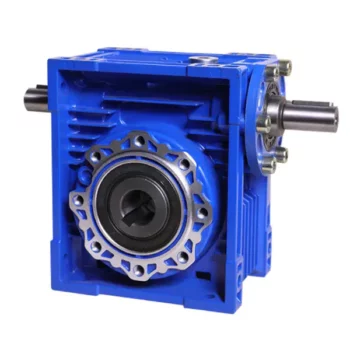
Quais são os níveis de ruído associados às caixas de engrenagens helicoidais?
Os níveis de ruído associados a caixas de engrenagens helicoidais podem variar dependendo de diversos fatores, incluindo o projeto, a qualidade, as condições de operação e a manutenção da caixa de engrenagens. Aqui estão alguns pontos importantes a serem considerados:
- Design e Qualidade: Caixas de engrenagens helicoidais bem projetadas e de alta qualidade tendem a produzir níveis de ruído mais baixos. Fatores como o perfil dos dentes da engrenagem, a precisão de fabricação e o alinhamento adequado podem contribuir para a redução do ruído.
- Engate da marcha: A forma como o parafuso sem-fim e a coroa se encaixam e se sincronizam pode afetar os níveis de ruído. O contato e o alinhamento adequados dos dentes podem ajudar a minimizar o ruído durante o funcionamento.
- Lubrificação: A lubrificação inadequada ou incorreta pode levar ao aumento do atrito e do desgaste, resultando em níveis de ruído mais elevados. O uso do lubrificante recomendado e a manutenção dos níveis adequados de lubrificação são importantes para a redução do ruído.
- Condições de funcionamento: Operar a caixa de engrenagens dentro dos limites de carga e velocidade especificados pode ajudar a evitar a geração excessiva de ruído. Sobrecarga ou operação em altas velocidades além da capacidade da caixa de engrenagens podem levar ao aumento do ruído.
- Retaliação: Folga excessiva entre os dentes da engrenagem pode causar ruído de impacto no engate. O ajuste adequado da folga pode ajudar a mitigar esse problema.
- Manutenção: A manutenção regular, incluindo inspeção das engrenagens, verificação da lubrificação e correção de qualquer desgaste ou dano, pode ajudar a manter os níveis de ruído sob controle.
É importante observar que, embora as caixas de engrenagens helicoidais possam produzir algum ruído devido à natureza do engrenamento, o projeto, a manutenção e a operação adequados podem reduzir significativamente os níveis de ruído. Se o ruído for uma preocupação para sua aplicação, consultar fabricantes e especialistas em caixas de engrenagens pode fornecer informações sobre a seleção do tipo certo de caixa de engrenagens e a implementação de medidas para minimizar o ruído.
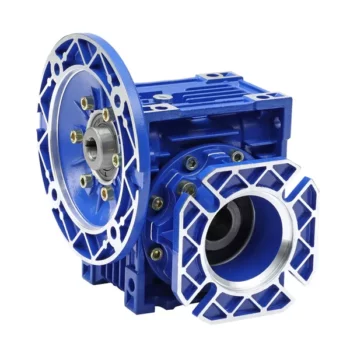
Como calcular as velocidades de entrada e saída de uma caixa de engrenagens helicoidais?
Calcular as velocidades de entrada e saída de uma caixa de engrenagens helicoidais envolve compreender a relação de transmissão e os princípios da redução de engrenagens. Veja como você pode calcular essas velocidades:
- Velocidade de entrada: A velocidade de entrada (N)1) é a velocidade da engrenagem motora, que neste caso é a engrenagem sem-fim. Geralmente é fornecida pelo fabricante ou pode ser medida diretamente.
- Velocidade de saída: A velocidade de saída (N)2) é a velocidade da engrenagem movida, que é a roda sem-fim. Para calcular a velocidade de saída, use a fórmula:
N2 = N1 / (Z1 * eu)
Onde:
N2 = Velocidade de saída (rpm)
N1 = Velocidade de entrada (rpm)
Z1 = Número de dentes na engrenagem sem-fim
i = Relação de transmissão (relação entre o número de dentes da engrenagem sem-fim e o número de roscas do sem-fim)
É importante observar que as caixas de engrenagens helicoidais são projetadas para redução de velocidade, o que significa que a velocidade de saída é menor que a velocidade de entrada. Além disso, a eficiência da caixa de engrenagens, o atrito e outros fatores podem afetar a velocidade de saída real. Calcular as velocidades de entrada e saída é crucial para entender o desempenho e as capacidades da caixa de engrenagens helicoidais em uma aplicação específica.
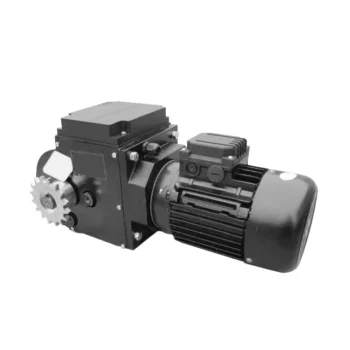
Lubrication Requirements for a Worm Gearbox
Lubrication is crucial for maintaining the performance and longevity of a worm gearbox. Here are the key considerations for lubricating a worm gearbox:
- Type of Lubricant: Use a high-quality, high-viscosity lubricant specifically designed for worm gearboxes. Worm gearboxes require lubricants with additives that provide proper lubrication and prevent wear.
- Lubrication Interval: Follow the manufacturer’s recommendations for lubrication intervals. Regularly check the gearbox’s temperature and oil condition to determine the optimal frequency of lubrication.
- Oil Level: Maintain the proper oil level to ensure effective lubrication. Too little oil can lead to insufficient lubrication, while too much oil can cause overheating and foaming.
- Lubrication Points: Identify all the lubrication points on the gearbox, including the worm and wheel gear surfaces. Apply the lubricant evenly to ensure complete coverage.
- Temperature: Consider the operating temperature of the gearbox. Some lubricants have temperature limits, and extreme temperatures can affect lubricant viscosity and performance.
- Limpeza: Keep the gearbox and the surrounding area clean to prevent contaminants from entering the lubricant. Use proper filtration and seals to maintain a clean environment.
- Monitoring: Regularly monitor the gearbox’s temperature, noise level, and vibration to detect any signs of inadequate lubrication or other issues.
Proper lubrication will reduce friction, wear, and heat generation, ensuring smooth and efficient operation of the worm gearbox. Always refer to the manufacturer’s guidelines for lubrication specifications and intervals.


editor by CX 2024-04-16